


 Carrer Platja, 1, 07180 Calvià, Illes Balears
  +34 649 051 323
  info@primeyachts.com


How to Buy a Yacht in Mallorca: A Step-by-Step Guide
Start with how you will use her, not which model you like
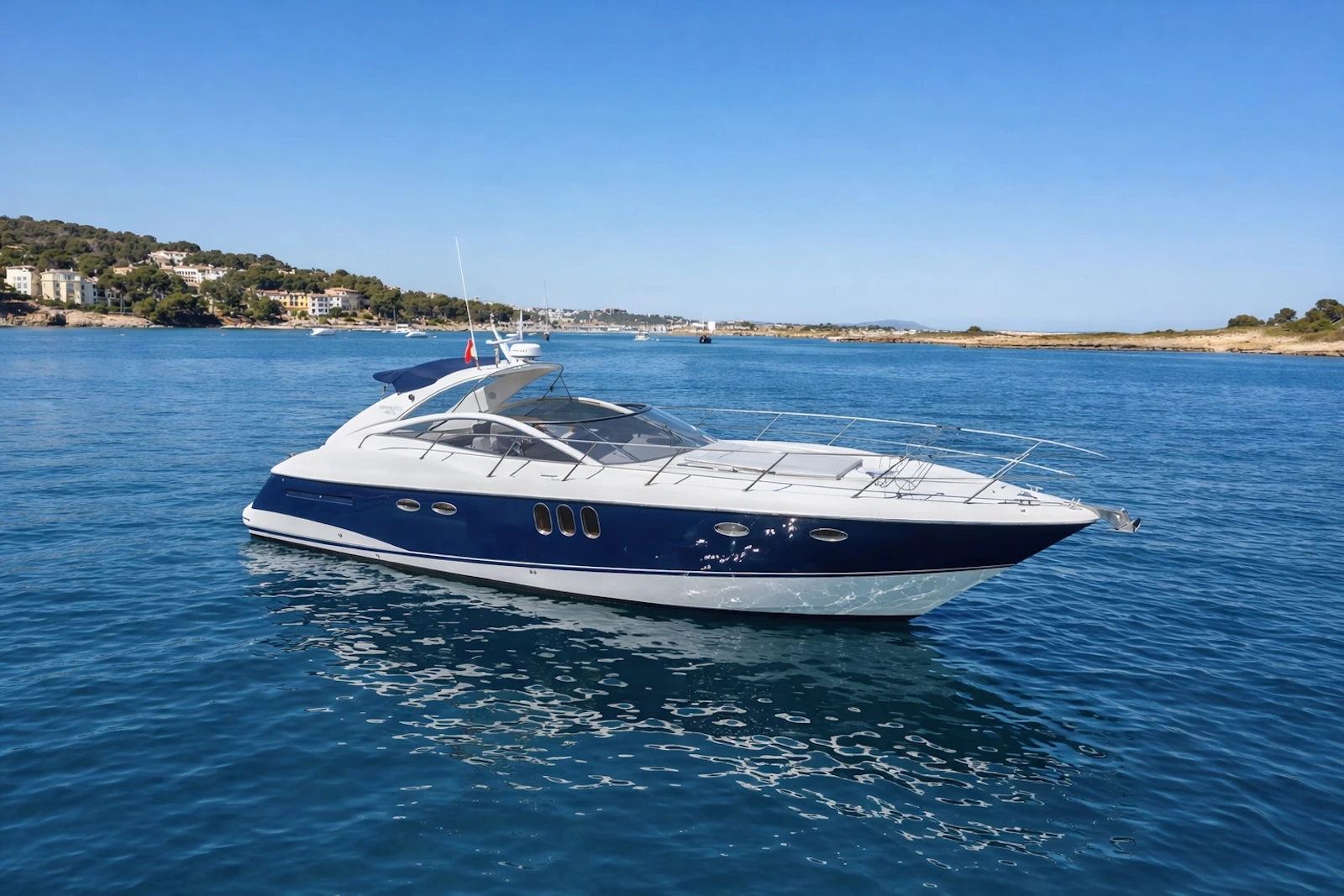
Almost every buyer starts with a model in mind and works backwards. It is worth resisting that for an afternoon, because three practical questions narrow the field faster than any brochure.
- Day boat or overnight? If you are out for the day from Port Adriano or Puerto Portals and home by evening, you need far less boat than you think — and a sportsboat will cost a fraction of a flybridge to run.
- Who is driving? A yacht you will skipper yourself has a practical ceiling of roughly 15–18 metres for most owners. Above that you are employing crew, and the running costs change shape entirely.
- How many nights a year will she be used? Under about thirty, and chartering her out or fractional ownership genuinely deserves a look before you buy.
Only once those three are settled does the shortlist mean anything.
The eight stages, in order
1. Brief and shortlist. A broker who knows the Balearic market should be able to produce five or six genuine candidates, including boats that have not yet been advertised. Local stock matters: a yacht already lying in Mallorca saves you a delivery and a great deal of paperwork.
2. Viewings. See the shortlist in person, in one trip if possible. Photographs flatter tired boats and undersell well-maintained ones.
3. Offer, subject to survey and sea trial. Offers are normally made in writing through the broker and are conditional. A deposit of around 10% goes into a client or escrow account, never directly to the seller.
4. Survey. An independent surveyor you appoint, not one the seller suggests. See our separate guide on what a survey covers.
5. Sea trial. Engines under load, at cruise and at full throttle, with someone watching the gauges who is not trying to sell you the boat.
6. Renegotiation. Almost every survey produces a list. The question is which items are genuine defects and which are the ordinary condition of a used yacht — an experienced broker earns their fee here.
7. Contract and payment. Balance paid on completion, against a bill of sale and a clean title search showing no outstanding finance or liens.
8. Registration, flag and berth. The part most buyers leave too late. Start it at the offer stage, not after completion.
What to budget beyond the asking price
The purchase price is rarely the final number. Plan for the following:
- VAT status. Whether a yacht is VAT-paid or ex-VAT changes what you can legally do with her in EU waters, and the sums involved are large. This deserves its own conversation before you make an offer.
- Spanish matriculation tax (IEDMT). Currently 12% of assessed value, applying to boats over 8 metres first registered in Spain or used here by a Spanish tax resident. There are exemptions, including for properly licensed commercial charter use, and the rules were narrowed by a 2024 European ruling — take advice specific to your situation.
- Survey and sea trial — typically a few thousand euros, and the best money you will spend.
- Registration and flag, plus any transfer or notary costs.
- Berth. In peak season the good Mallorcan berths are spoken for. Secure one before you complete, not after.
- Insurance, antifoul and commissioning in the first year.
As a rough planning figure, allow 10–15% of the purchase price for first-year costs on top of the boat itself, before any tax.
The four mistakes we see most often
Skipping the survey on a newer boat. Low hours are not the same as good condition. A yacht that has sat unused for two seasons can need more work than one used every week.
Leaving tax and flag until after completion. By then your options have narrowed and some are closed entirely.
Buying the boat rather than the maintenance history. Complete service records, a known yard and a clear ownership trail are worth more than an extra metre of length.
Underestimating running costs. A useful rule of thumb is 8–10% of the yacht's value a year for berth, insurance, maintenance, antifoul and crew where relevant.
Prime Yachts is based at Port Adriano and handles the whole process — shortlist, survey, negotiation, registration and berth. If you are starting to look, talk to us before you view anything.